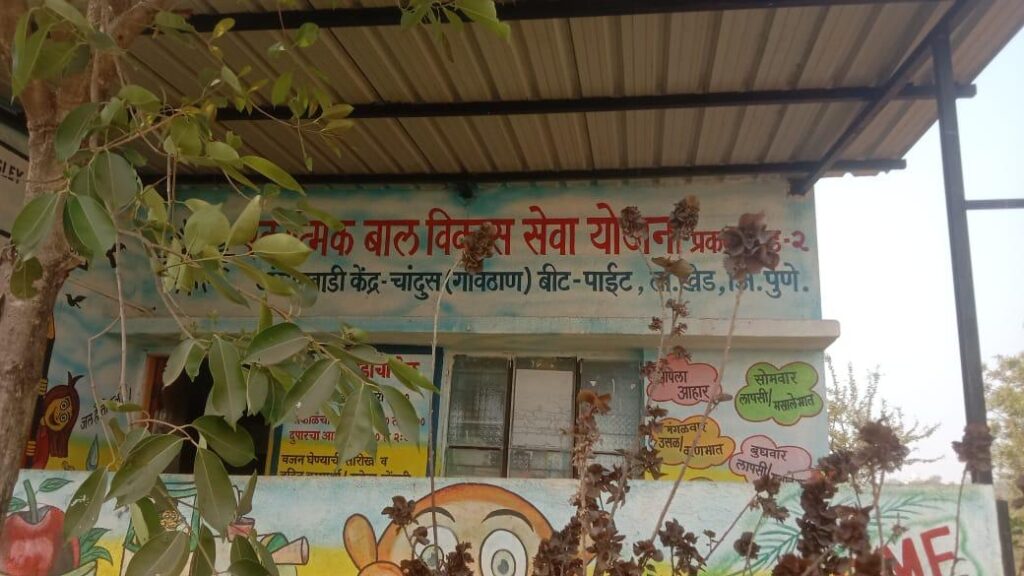
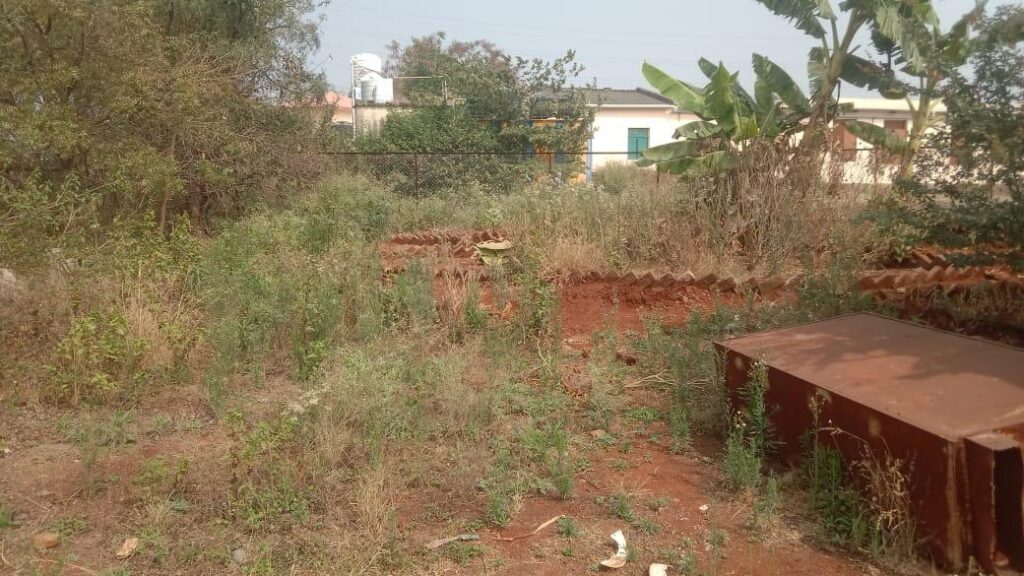
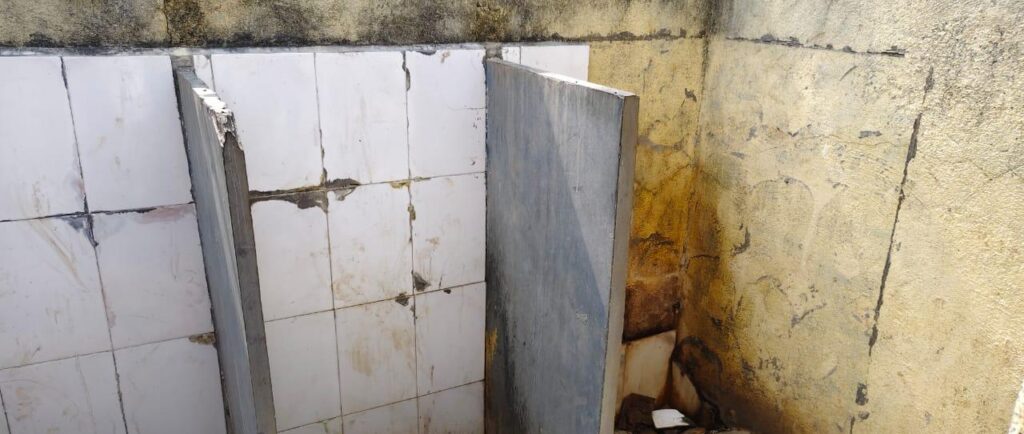
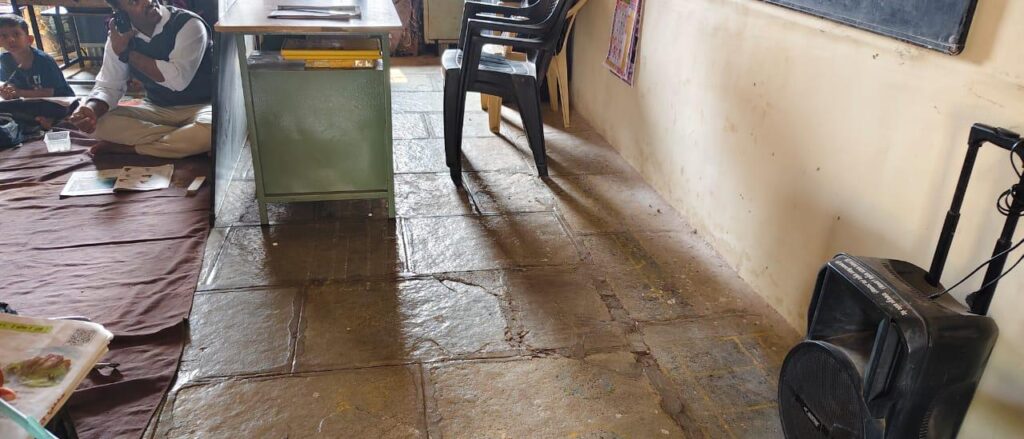
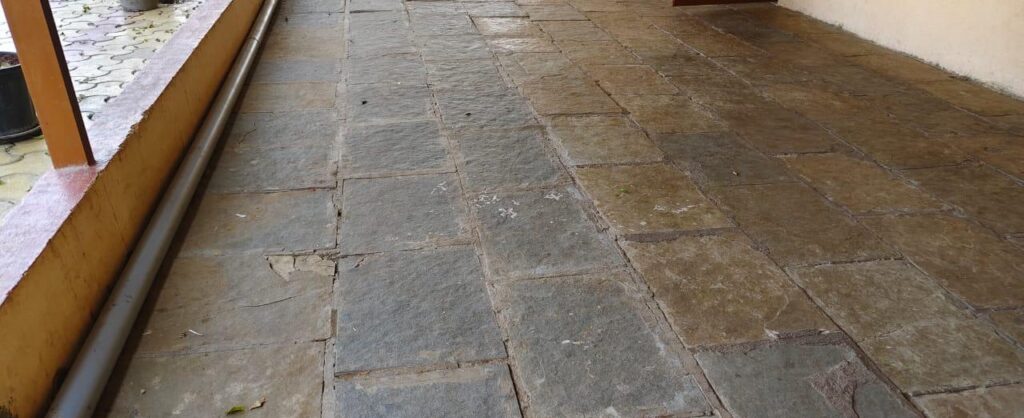
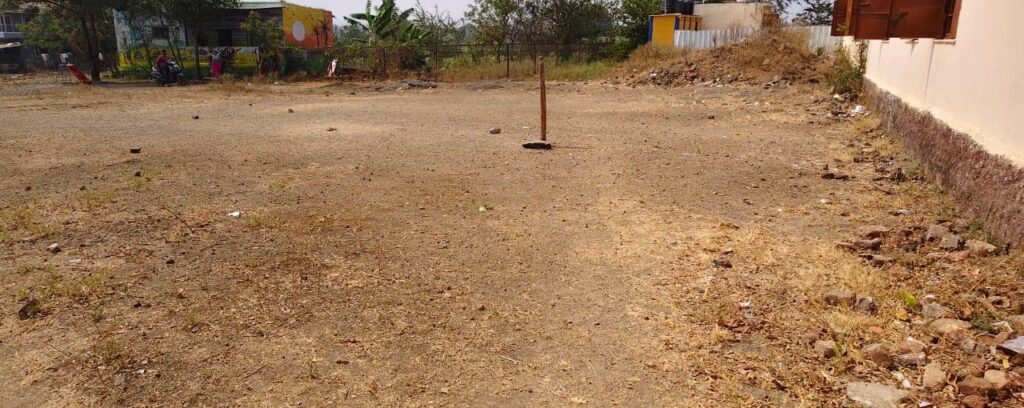
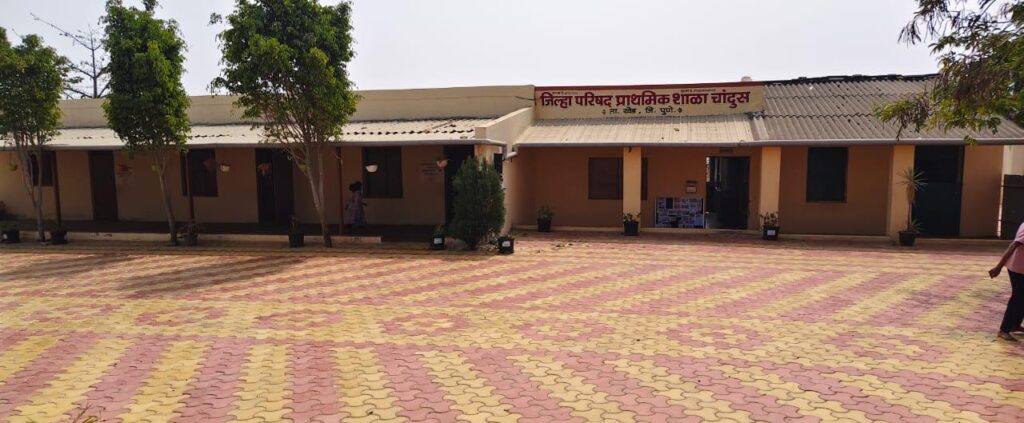
Many schools in underdeveloped and rural areas continue to face extremely poor conditions that directly impact the quality of education students receive. Inadequate infrastructure, such as broken classrooms, lack of proper seating, insufficient lighting, and absence of clean drinking water and sanitation facilities, creates an environment that is neither safe nor conducive to learning. These challenges not only affect students’ physical comfort but also lower their motivation and concentration levels. As a result, children often struggle to focus on their studies, leading to poor academic performance and increased dropout rates. Over time, this lack of proper educational support limits their opportunities for personal growth and a better future, reinforcing the cycle of poverty and inequality. Improving school conditions is therefore essential to ensure that every child has a fair chance to learn, grow, and succeed.